OWL chartered a retrofitted multi-purpose vessel from Taicang, China to Jacksonville. The aim: to take advantage of Jacksonville’s efficiencies and expedite the movement of about 1,600 containers.
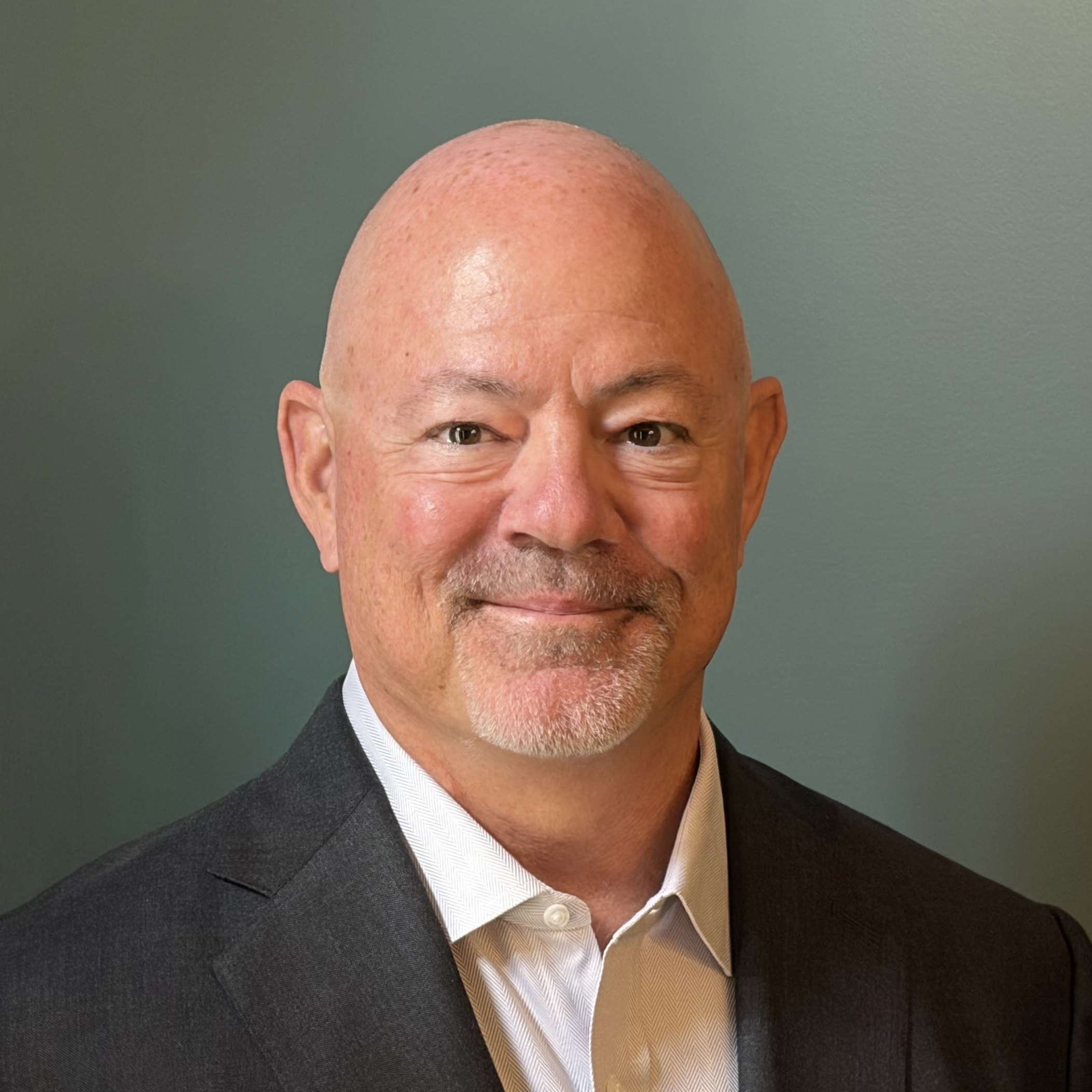
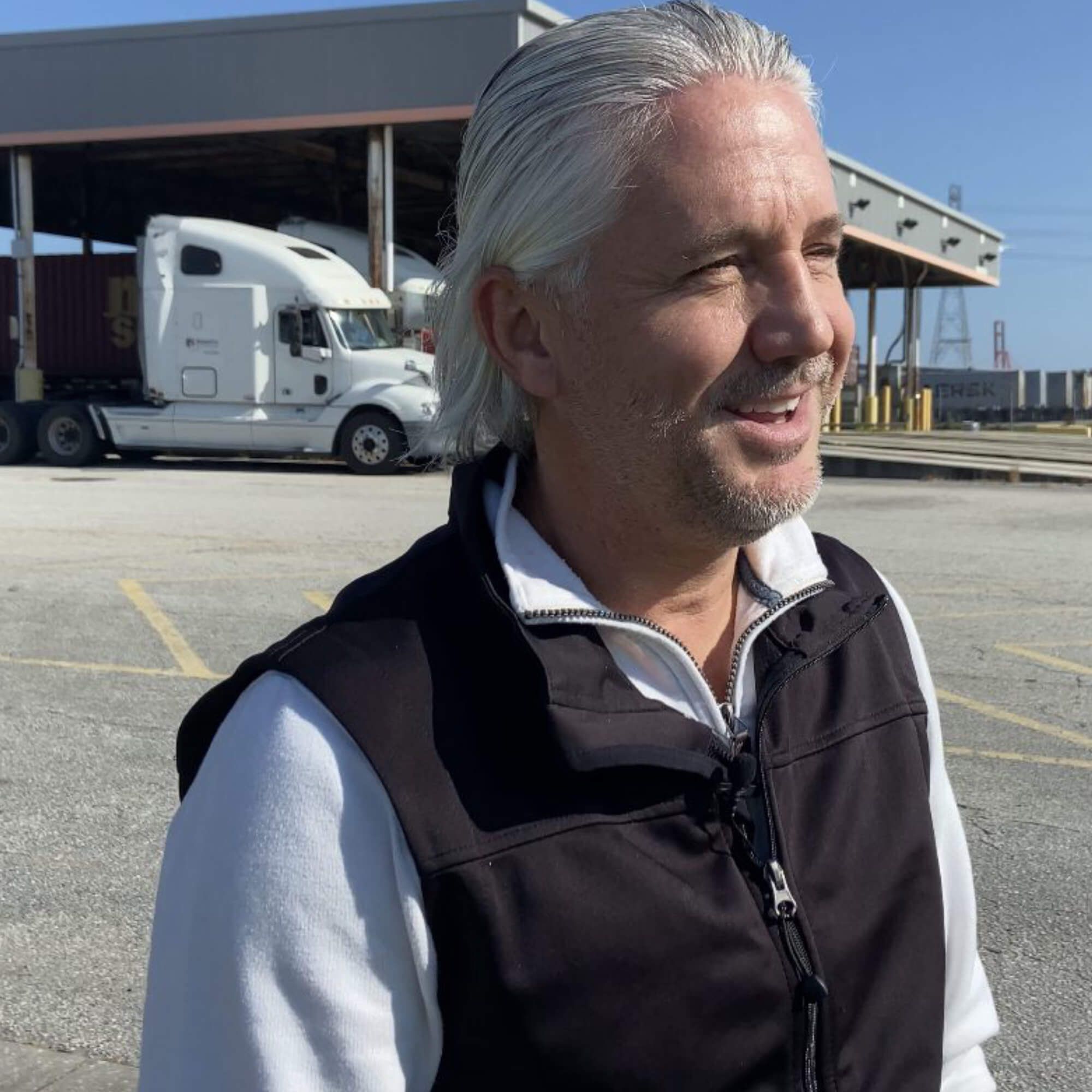
JAXPORT sat down with OWL President and Co-Founder Eric Seamon on his recent visit. They met at the port’s Blount Island Marine Terminal.
Eric Seamon Q&A: what makes this move unique?
Eric Seamon: Solving the capacity problem is the solution to getting product on store shelves.
We move say 80,000 or 100,000 containers a year out of Asia. And we have contracts with seven or eight steamship lines. We also do origin management services, where we book with customers’ contracts. And it wasn’t enough space. We couldn’t get enough space on our contracts or our customers’ contracts. So, the solution was to look at leasing ships and retrofitting them, if we needed to. Then we’d look for an accommodating port that fit the supply chain needs of the customers on that ship.
Why JAXPORT?
ES: We were encountering port congestion. We certainly weren’t going to go to the West Coast. We had recurring customers that wanted to move to the East Coast. That meant not just normal customers, but also chartered customers. So, we looked down the Eastern Seaboard and we went through that process. And it turned out by far the best possible spot for us was JAXPORT.
What types of challenges does a move like this present?
ES: Many ports won’t take a vessel of this type and size, because of the special handling that is involved. JAXPORT was able to not only take the vessel, but we are also putting empties back from the first ship to take back to China. It was very difficult to get anybody to say ‘ok, let’s do it’. But JAXPORT said ‘bring it in, bring it on.’
What advantages does JAXPORT have that ultimately led you to make Jacksonville your port of choice for this move?
ES: First, JAXPORT’s relationship with the local trucking community and U.S. Customs. Then there’s the fact that SSA Marine was part of this, since we’ve used them before in other ports. And finally, the ability to get product onto rail from here into the Southeast.
JAXPORT has guided us. They said, ‘lay out your plans, here’s what you need to do and here’s how we’re going to help you.’ It was amazing. So, we’re going to do it again.
You mentioned that your goal was to clear backlogs to move all the volumes your customers need to move. Is that being accomplished?
ES: Yes, 100%. I’ve been through several of these. On a scale from one to ten, where one is the worst, this has been a ten.
Adapted from a Q&A first published by JAXPORT, 16 December 2021.