

 Origin
Shipping from China
Nine offices across every major port and manufacturing cluster, from Tianjin to Shenzhen.
Industries / Apparel & Retail
An apparel freight forwarder with retail-grade visibility for assortments that never stop changing.
Apparel & Retail
Brands now source from more countries than ever, and in 2025 Vietnam overtook China as the largest US apparel supplier. More factories means more POs to consolidate and track, against in-store and online dates where late goods get marked down.
Apparel and cotton are priority sectors for forced-labor enforcement, so importers need fiber-to-garment records ready before goods ship. We collect supplier documents at the PO stage, alongside the labels, tickets and carton specs your retailers require.
Why it’s hard
Styles times colors times sizes, delivered against fixed in-store and online dates. Late goods get marked down.
A record share of brands source from more than ten countries, so there are more factories and POs to manage than ever.
Goods with Xinjiang cotton are presumed barred, and detentions can hold goods for months. Traceability has to start at the fiber.
Routing guides, ticketing, carton labels and floor-ready requirements, with chargebacks for every error.
The year at a glance
Back-to-school and holiday set the calendar. August to November has traditionally carried more than a third of annual US apparel imports, so space tightens just when you need it.
At the border
Apparel faces labeling, safety and forced-labor checks at the US border, and a missing document can hold goods for months. Confirm your obligations with your customs broker or counsel; we organize the paperwork at the source.
Garments need labels showing fiber content, country of origin and the manufacturer or dealer identity, plus permanent care instructions. Wool and fur have their own labeling acts.
Goods with any Xinjiang content are presumed made with forced labor and can be detained. Overturning that takes clear and convincing evidence from fiber to garment.
Children’s clothing needs third-party testing, tracking labels and a Children’s Product Certificate, filed electronically in ACE since July 2026.
Clothing textiles are subject to the CPSC general flammability standard, with stricter rules for children’s sleepwear.
APHIS names footwear and handbags as Lacey Act examples where plant-based materials are used, so they need a declaration.
Origin for textiles follows specific rules on where the fabric was formed or the garment assembled, which matters for transshipment risk.
How OWL helps
OWL Vision tracks each order from PO issuance at container, PO and SKU level, with exception alerts against your drop dates.
See OWL VisionSupplier, PO and booking management across factories and countries, with consolidation at origin turning many small POs into full containers.
See origin managementCotton origin records, factory details and packing lists are collected at the PO stage to support customs clearance and any forced-labor document request.
ExploreFixed annual rates and capped peak surcharges for the back-to-school and holiday windows, with Gain Share when the market softens.
See ocean freightDestination deconsolidation and distribution to retailer DCs, stores or e-commerce fulfillment, with final-mile delivery on demand.
See destination servicesOrigins
Our own teams across Asia, close to the factories. What we move from each origin depends on the category, so talk to us about what you buy and where, and we’ll show you how we’d ship it.
OriginNine offices across every major port and manufacturing cluster, from Tianjin to Shenzhen.
 Origin
Our own teams in Ho Chi Minh City and Hanoi, for the fastest-growing origin for US importers.
 Origin
Laem Chabang, Bangkok and the manufacturing corridor of the Eastern Seaboard.
 Origin
Apparel, footwear and travel goods, shipped through Sihanoukville and Phnom Penh.
 Origin
Landlocked, not locked out: rail, road and river routes to the sea from Vientiane.
 Origin
Apparel, rubber and tea, with Colombo as one of South Asia’s great transshipment hubs.
Under FTC rules, garments need labels showing fiber content by percentage, country of origin and the manufacturer or dealer identity (company name or RN number), plus permanent care instructions. Wool and fur products have their own labeling acts.
Apparel and cotton are UFLPA high-priority sectors, and goods with any Xinjiang content are presumed made with forced labor and can be detained. Importers need traceability documents from fiber through yarn, fabric and garment to prove otherwise, and should collect them before goods ship.
Yes. Children’s apparel is a children’s product, so it needs third-party testing for applicable requirements, such as lead in paint and trims, plus tracking labels and a Children’s Product Certificate. Since July 2026, that certificate data must be filed electronically in ACE at entry.
Back-to-school goods typically need to land in July and August, and holiday goods by October and November. August to November has historically carried more than a third of annual US apparel imports, so space and peak surcharges tighten then.
In 2025 Vietnam overtook China as the largest US apparel supplier, with China in second place. Bangladesh, India, Indonesia and Cambodia are also major sources, and Cambodia is growing fastest.
More industries
 Industry
Crated units and a long tail of parts, with EPA and CPSC paperwork ready before the vessel sails.
 Industry
Mowers, tractors and battery tools landed ahead of spring, with engine origin documented at the PO.
 Industry
Vacuums, small appliances and housewares across long SKU lists, on time for every retail launch.
 Industry
Heads, shafts, grips and bags consolidated at origin and timed to land together for launch day.
 Industry
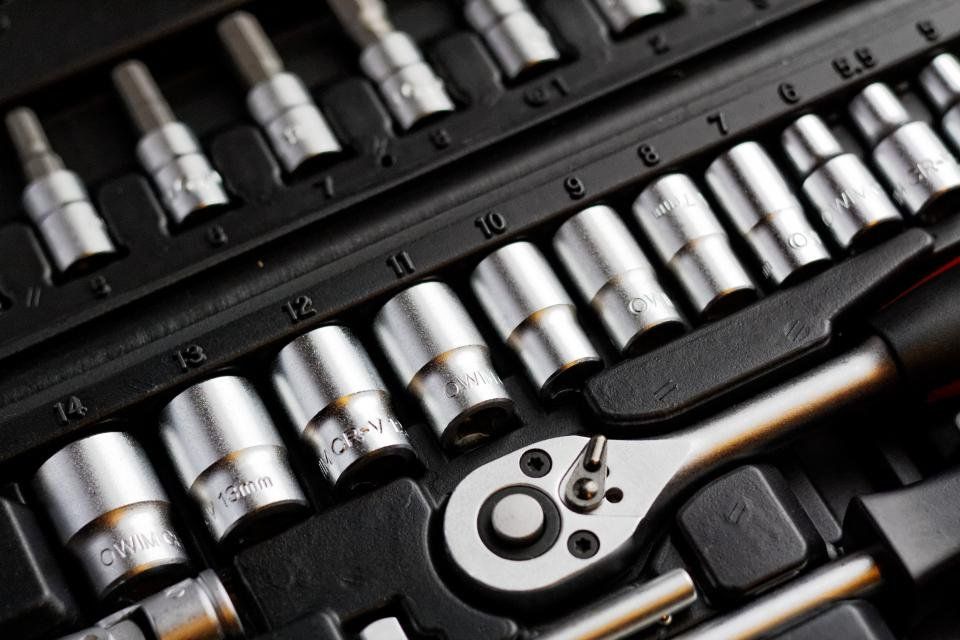
Dense, heavy freight and cordless platforms, moved on a predictable cost base with the paperwork in order.
 Industry
Gloves, disposables and devices kept in stock, with FDA data checked against every PO before it ships.
 Industry
Gloves, disposables and packaging consolidated at origin, with foil and factory origin documented.
 Industry
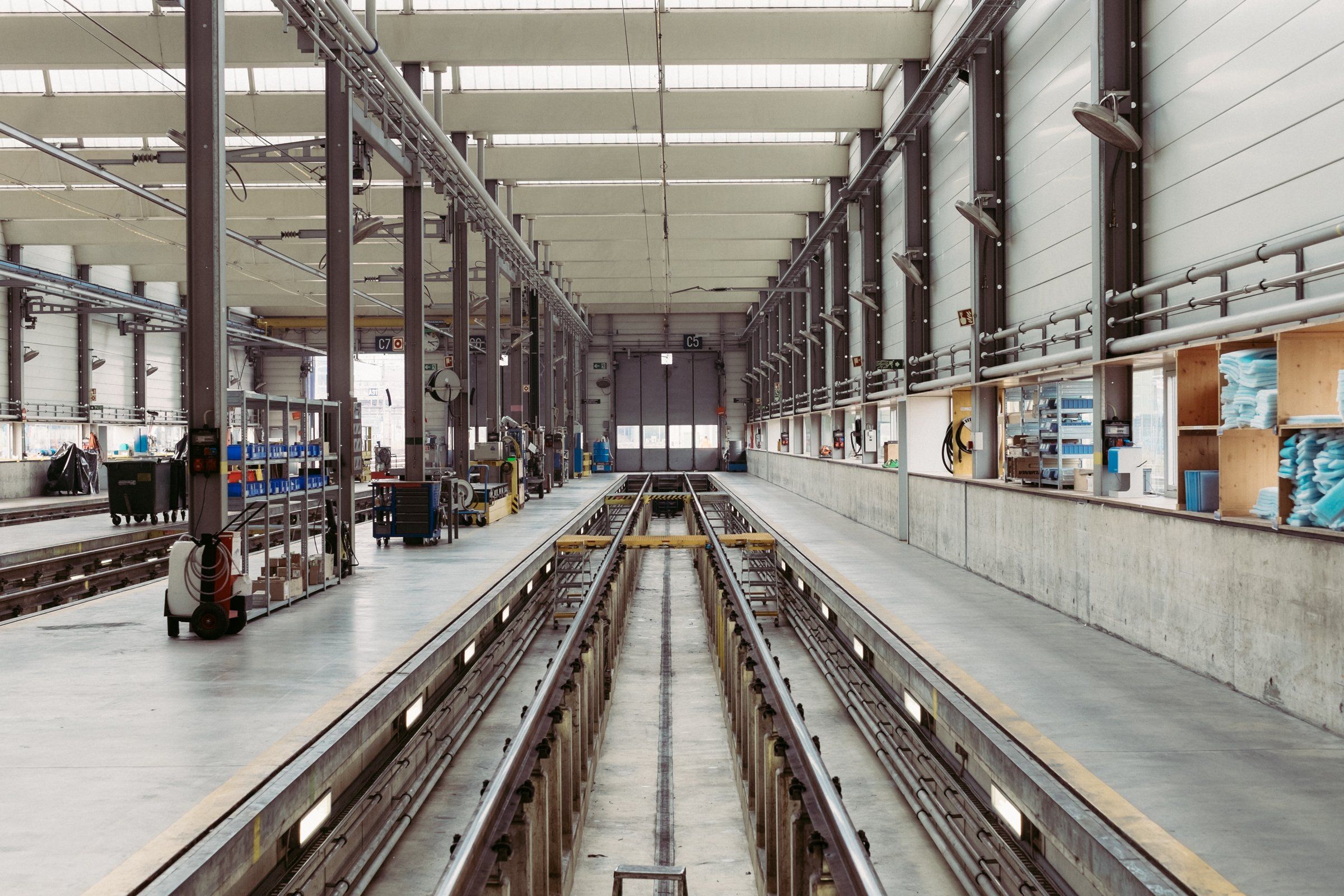
Components and finished goods on schedules that can’t slip, with every PO and part number in view.

OWL Vision
Every PO, product and SKU on one live picture, from PO issuance to final delivery. So you know what’s arriving, and when, before your customers ask.
We detected a Global Privacy Control signal from your browser and have opted you out of the sale or sharing of your personal information.