

 Origin
Shipping from China
Nine offices across every major port and manufacturing cluster, from Tianjin to Shenzhen.
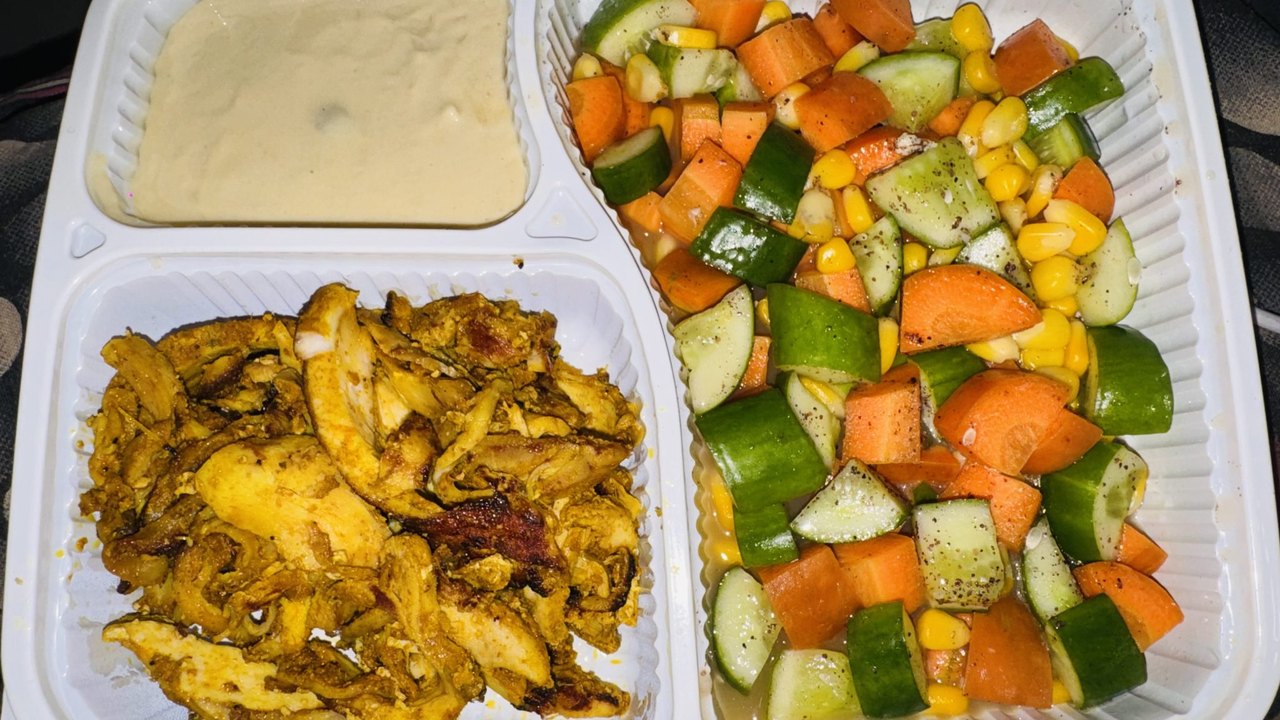
Industries / Foodservice Supplies
Foodservice supply logistics for high-volume supplies on thin margins, kept moving.
Foodservice Supplies
It’s light, high-cube freight on thin margins, so freight is a big share of landed cost and container utilization is the main lever. A typical range spans dozens of factories, which makes consolidation at origin, across 1M+ sq ft of space, worth more than a cheaper rate.
It’s also one of the busiest categories for trade remedies. Paper plates and disposable aluminum containers now face duty orders, and foil origin can decide whether a pan finished in Thailand or Vietnam is caught. We capture mill and factory records at the PO.
Why it’s hard
Distributors and operators can’t run out, but every cent of freight shows up in the landed cost.
Cups, lids and containers fill a box by volume fast, so pallet patterns and container utilization drive cost.
Antidumping and countervailing orders on paper plates and aluminum containers make factory and material origin a cost question.
Materials must meet FDA food-contact rules, and several states restrict intentionally added PFAS in food packaging.
The year at a glance
Weekly and monthly replenishment is the norm. Summer lifts cups and takeout packaging, and the holidays lift aluminum pans and catering trays.
At the border
Foodservice supplies face food-contact rules and some of the most active trade-remedy cases at the US border. Confirm your obligations with your customs broker or counsel; we capture the origin evidence before cargo sails.
Cups, containers, cutlery and gloves must use materials FDA authorizes for food contact. There’s no product registration, but FDA can sample and detain at entry.
Food service gloves are food-contact articles, not medical devices. No 510(k) is needed, but they must not be labeled for medical use.
Antidumping orders on certain paper plates from China, Thailand and Vietnam were published in March 2025. Check scope before placing the PO.
Orders cover disposable aluminum containers, pans, trays and lids from China. In 2026 Commerce preliminarily found that containers finished in Thailand and Vietnam from Chinese foil circumvent them, so mill certificates matter.
Several states, including California, New York and Washington, restrict intentionally added PFAS in food packaging, which affects molded fiber and paper containers.
How OWL helps
Gloves, disposables and packaging from multiple suppliers are consolidated across 1M+ sq ft of origin space into fuller, lower-cost containers.
See origin managementOWL Vision tracks replenishment POs from issuance at container, PO and SKU level, with alerts on late factories or vessels long before stock runs low.
See OWL VisionMill certificates for aluminum foil, factory-level origin evidence and supplier records are captured at the PO stage, where scope and circumvention rulings make the difference.
ExploreFixed annual rates, capped peak surcharges, Gain Share and index-linked options keep high-cube freight costs predictable.
See ocean freightCustoms clearance, deconsolidation and distribution to distributor DCs, with final-mile delivery on demand.
See destination servicesOrigins
Our own teams across Asia, close to the factories. What we move from each origin depends on the category, so talk to us about what you buy and where, and we’ll show you how we’d ship it.
OriginNine offices across every major port and manufacturing cluster, from Tianjin to Shenzhen.
 Origin
Our own teams in Ho Chi Minh City and Hanoi, for the fastest-growing origin for US importers.
 Origin
Laem Chabang, Bangkok and the manufacturing corridor of the Eastern Seaboard.
 Origin
Apparel, footwear and travel goods, shipped through Sihanoukville and Phnom Penh.
 Origin
Landlocked, not locked out: rail, road and river routes to the sea from Vientiane.
 Origin
Apparel, rubber and tea, with Colombo as one of South Asia’s great transshipment hubs.
There’s no FDA product registration for food-contact packaging, but the materials must comply with FDA food-contact regulations or an applicable food-contact notification. FDA can sample and detain shipments at entry, so hold supplier declarations of compliance and test reports.
Yes. Antidumping orders cover certain paper plates from China, Thailand and Vietnam, and AD/CVD orders cover disposable aluminum containers, pans, trays and lids from China. In 2026 Commerce preliminarily extended the aluminum orders to products finished in Thailand and Vietnam from Chinese foil, so foil origin documents are now critical; check the current status before you order.
No. FDA regulates food service gloves as food-contact articles rather than medical devices, so they don’t need 510(k) clearance. They must use compliant materials and must not be labeled or marketed for medical use.
Yes. Several states, including California, New York and Washington, restrict intentionally added PFAS in food packaging. Molded fiber and paper-based containers sourced overseas need supplier confirmation that no PFAS is added, checked against each state’s current list.
Consolidate suppliers at origin, hold a safety-stock buffer around Lunar New Year and track every replenishment PO from issuance, so you see a shortfall weeks ahead. Fixed annual rates also keep landed cost steady when spot rates spike.
More industries
 Industry
Crated units and a long tail of parts, with EPA and CPSC paperwork ready before the vessel sails.
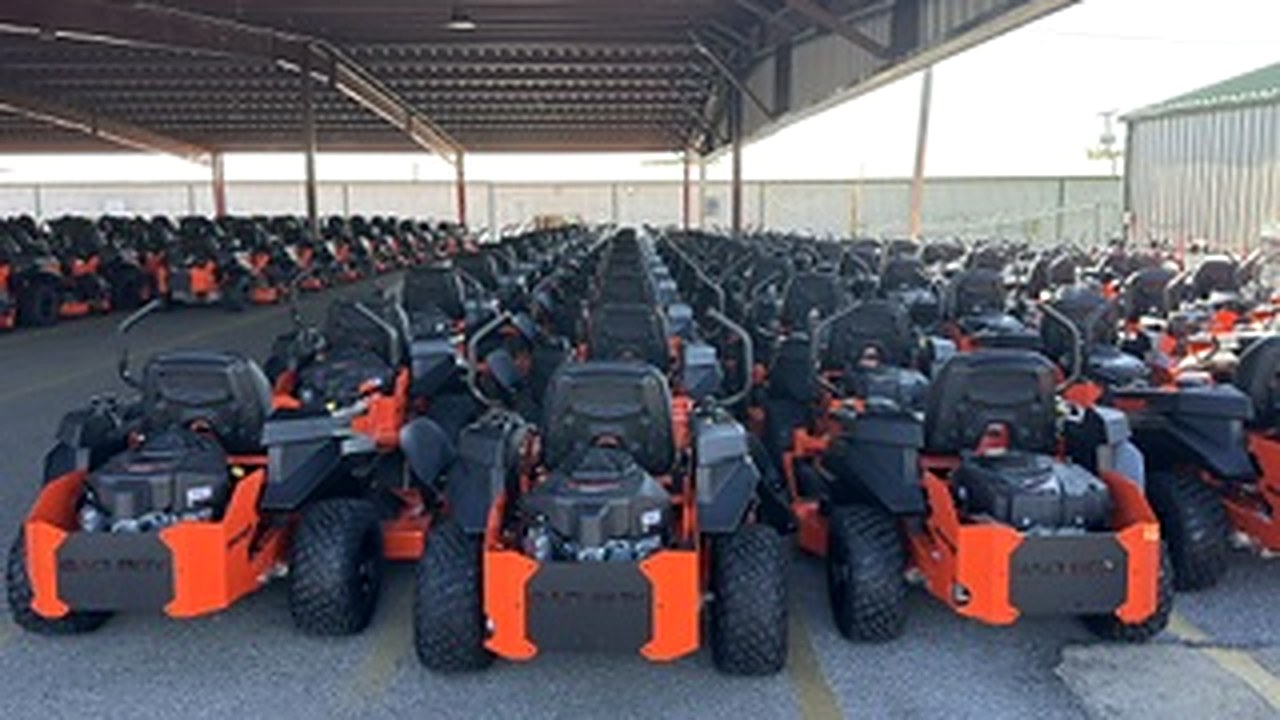 Industry
Mowers, tractors and battery tools landed ahead of spring, with engine origin documented at the PO.
 Industry
Vacuums, small appliances and housewares across long SKU lists, on time for every retail launch.
 Industry
Heads, shafts, grips and bags consolidated at origin and timed to land together for launch day.
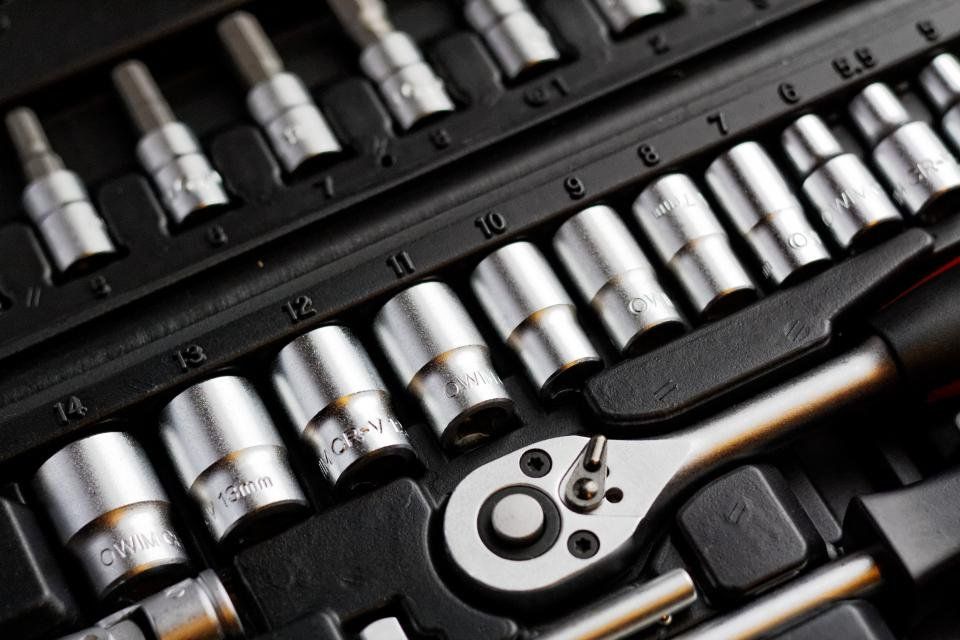 Industry
Dense, heavy freight and cordless platforms, moved on a predictable cost base with the paperwork in order.
 Industry
Gloves, disposables and devices kept in stock, with FDA data checked against every PO before it ships.
 Industry
Many factories, many SKUs and fixed drop dates, with traceability paperwork organized at the source.
 Industry
Components and finished goods on schedules that can’t slip, with every PO and part number in view.

OWL Vision
Every PO, product and SKU on one live picture, from PO issuance to final delivery. So you know what’s arriving, and when, before your customers ask.
We detected a Global Privacy Control signal from your browser and have opted you out of the sale or sharing of your personal information.