

 Origin
Shipping from China
Nine offices across every major port and manufacturing cluster, from Tianjin to Shenzhen.

Industries / Home & Consumer Goods
A home goods freight forwarder for long SKU lists, many suppliers and a retail calendar that doesn’t move.
Home & Consumer Goods
Vacuums, small appliances, housewares and décor fill a container by volume long before weight, and glass, ceramics and electronics damage easily. We consolidate cartons from many suppliers at origin and build containers for cube, with retailer labels and carton checks done before departure.
The compliance stacks up just as fast. One smart appliance can need FCC authorization, energy-efficiency certification and dangerous goods handling, and products under a CPSC rule now have their certificate data filed electronically at entry. We collect it from suppliers at the PO stage.
Why it’s hard
Launches and replenishment across hundreds of SKUs and variants, against routing guides, label specs and chargebacks for late or non-compliant deliveries.
Appliances and housewares run out of space before weight, and breakables need the right cartons, pallet patterns and handling.
A single product can touch CPSC, FCC, DOE and FDA rules, plus dangerous goods handling for cordless models.
Holiday is the biggest window, and it overlaps with ocean peak season, when space and surcharges are at their tightest.
The year at a glance
Black Friday and the holidays decide the year for most home goods brands. Holiday stock sails right through traditional ocean peak season.
At the border
For home goods, the rules depend on what’s inside the box: electronics, batteries, wood or food contact. Confirm your obligations with your customs broker or counsel; we make sure the data is in hand before cargo sails.
Products under a CPSC rule need a General Certificate of Conformity, or a Children’s Product Certificate for children’s products. Since July 8, 2026, the data is filed electronically in ACE.
Appliances with digital circuitry, Bluetooth or Wi-Fi need FCC authorization before import. There’s no separate import form, but the device must arrive authorized and labeled.
Microwave ovens must meet an FDA radiation performance standard. The importer files Form FDA 2877 with the product’s accession number at entry.
Many household appliances are covered by DOE energy standards, and importers count as manufacturers who must certify compliance before distribution.
Several household appliances have been Section 232 steel derivatives since June 2025, and upholstered wooden furniture, kitchen cabinets and vanities fall under Section 232 wood duties.
Housewares and furniture made with plant material need a Lacey Act declaration naming the genus, species and country of harvest.
How OWL helps
Every launch and replenishment order is tracked at container, PO and SKU level in OWL Vision, with alerts before a late PO turns into a retailer chargeback.
See OWL VisionCartons from multiple factories are consolidated across 1M+ sq ft of space at origin, with containers built for cube and retailer labels checked before departure.
See origin managementFixed annual rates with capped peak surcharges keep the July to October push off the spot peak, and Gain Share returns some of the benefit when markets soften.
See ocean freightCPSC certificate data, FDA forms and accession numbers, Lacey declarations and battery documents are gathered from suppliers at the PO stage, ready for customs clearance.
ExploreDestination deconsolidation and distribution flow to DCs, stores or e-commerce nodes, with final-mile delivery on demand.
See destination servicesOrigins
Our own teams across Asia, close to the factories. What we move from each origin depends on the category, so talk to us about what you buy and where, and we’ll show you how we’d ship it.
OriginNine offices across every major port and manufacturing cluster, from Tianjin to Shenzhen.
 Origin
Our own teams in Ho Chi Minh City and Hanoi, for the fastest-growing origin for US importers.
 Origin
Laem Chabang, Bangkok and the manufacturing corridor of the Eastern Seaboard.
 Origin
Apparel, footwear and travel goods, shipped through Sihanoukville and Phnom Penh.
 Origin
Landlocked, not locked out: rail, road and river routes to the sea from Vientiane.
 Origin
Apparel, rubber and tea, with Colombo as one of South Asia’s great transshipment hubs.
If a product is subject to a CPSC rule, ban or standard, the importer issues a General Certificate of Conformity, or a Children’s Product Certificate for children’s products. Since July 8, 2026, that certificate data must be filed electronically in ACE at entry. Products outside any CPSC rule don’t need a certificate, but still need correct country-of-origin marking.
Any appliance with digital electronics or wireless features, such as Bluetooth, Wi-Fi or app control, needs FCC equipment authorization before it is imported or marketed. There’s no separate FCC import form, but the device must already be authorized and correctly labeled when it arrives.
Yes. Microwave ovens must meet an FDA radiation performance standard, and the importer files Form FDA 2877 and provides the product’s FDA accession number at entry. Shipments without them can be held.
Most importers ship holiday goods from about July to October, which overlaps with ocean peak season. Booking against a fixed annual contract, and building a buffer for Golden Week in early October, protects both space and cost.
Several do. Since June 23, 2025, refrigerator-freezers, washers, dryers, dishwashers, freezers, cooking ranges and food waste disposals have been treated as Section 232 steel derivatives, and since April 2026 those duties apply to the product’s full value. Check classification and the current status before you price a range.
More industries
 Industry
Crated units and a long tail of parts, with EPA and CPSC paperwork ready before the vessel sails.
 Industry
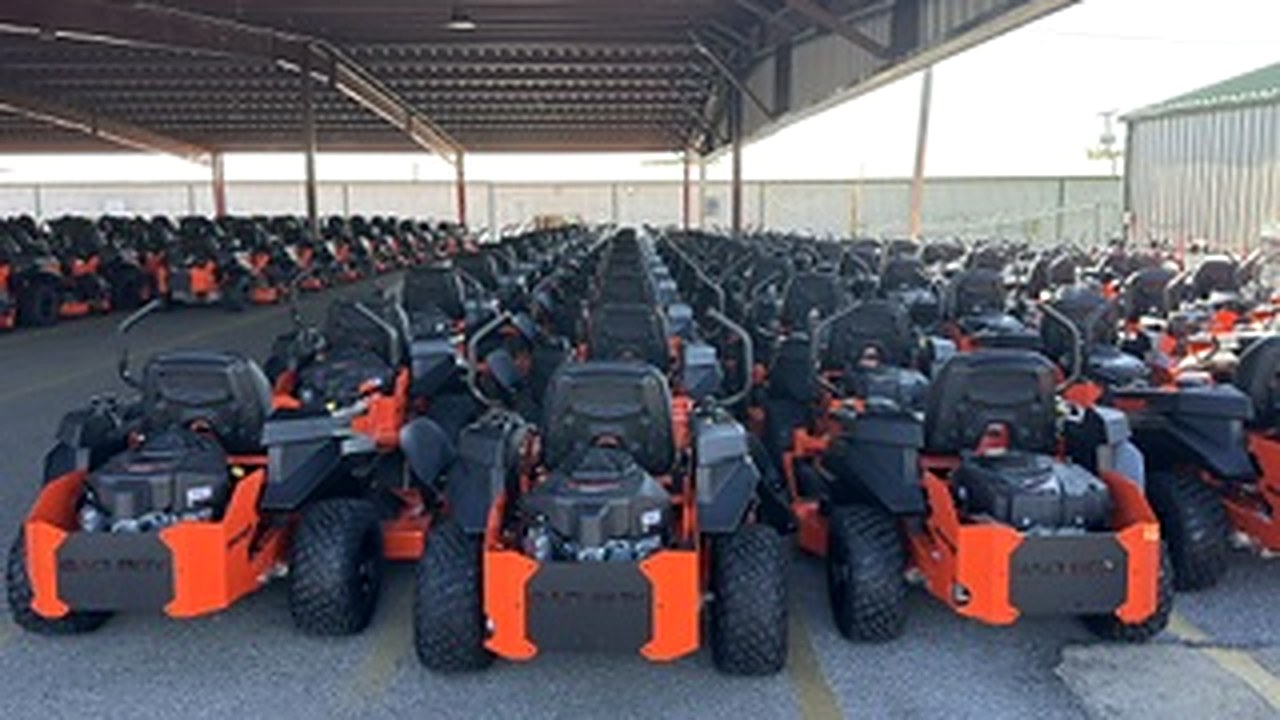
Mowers, tractors and battery tools landed ahead of spring, with engine origin documented at the PO.
 Industry
Heads, shafts, grips and bags consolidated at origin and timed to land together for launch day.
 Industry
Dense, heavy freight and cordless platforms, moved on a predictable cost base with the paperwork in order.
 Industry
Gloves, disposables and devices kept in stock, with FDA data checked against every PO before it ships.
 Industry
Gloves, disposables and packaging consolidated at origin, with foil and factory origin documented.
 Industry
Many factories, many SKUs and fixed drop dates, with traceability paperwork organized at the source.
 Industry
Components and finished goods on schedules that can’t slip, with every PO and part number in view.

OWL Vision
Every PO, product and SKU on one live picture, from PO issuance to final delivery. So you know what’s arriving, and when, before your customers ask.
We detected a Global Privacy Control signal from your browser and have opted you out of the sale or sharing of your personal information.