

 Origin
Shipping from China
Nine offices across every major port and manufacturing cluster, from Tianjin to Shenzhen.

Industries / Medical Supplies
Medical supply logistics for compliance-critical supply, with early warnings built in.
Medical Supplies
Most of what you import is an FDA-regulated device, and every entry carries product codes plus registration, listing and 510(k) data. If any of it doesn’t match, the shipment can be detained. We match those references to each PO and SKU before booking.
Sourcing is moving at the same time. Glove supply has shifted sharply away from China toward Southeast Asia, so importers are qualifying new factories while keeping registrations in step. Our origin offices and control towers bring each new supplier into one process.
Why it’s hard
A wrong affirmation-of-compliance code or a lapsed registration can stop a whole container at the border.
Hospitals, clinics and distributors run lean, so lead times have to be predictable, with early warning when they aren’t.
Importers are qualifying factories in new countries while keeping FDA registration and listing data in step with every change.
High-volume disposables, sterile packaging to protect, and latex and nitrile that can degrade in heat when containers dwell.
The year at a glance
Replenishment runs year round. Demand rises with respiratory illness season, and Lunar New Year slows Asian suppliers just as it peaks, so safety stock matters more than timing.
At the border
Medical devices face some of the strictest checks at the US border, and FDA can detain anything that doesn’t match. Confirm your obligations with your regulatory team, customs broker or counsel; we check the data against every PO before it sails.
Most devices need premarket clearance unless exempt. Patient exam and surgeon’s gloves are Class I devices that still require 510(k) clearance.
Foreign manufacturers register their establishment, list each device and name a US agent. The entry data in ACE must match, or FDA can detain the shipment.
Since February 2, 2026, FDA’s Quality Management System Regulation, which incorporates ISO 13485, has replaced the old Quality System Regulation for manufacturers supplying the US.
USTR’s Section 301 review phased in higher duties on Chinese medical gloves, syringes, needles and masks, with the last scheduled step on January 1, 2026.
Cotton-based textiles such as gauze and gowns, and PVC in vinyl gloves, can draw forced-labor scrutiny. Keep supply-chain records ready before goods ship.
How OWL helps
OWL Vision tracks every PO from issuance at container, PO and SKU level, flagging a late factory, missed vessel or held entry before it reaches a customer’s shelf.
See OWL VisionSupplier registration, listing and 510(k) references are matched to each PO and SKU before booking, so customs clearance isn’t the first time anyone checks them.
See origin managementOrigin management and control towers bring new factories into one process, with consolidation at origin across suppliers.
ExploreFixed annual rates with capped peak surcharges keep high-volume consumables on budget, and air freight is there for urgent or critical lines.
See air freightCustoms clearance, deconsolidation and distribution to DCs or customer sites, with final-mile delivery on demand.
See destination services
Origins
Our own teams across Asia, close to the factories. What we move from each origin depends on the category, so talk to us about what you buy and where, and we’ll show you how we’d ship it.
OriginNine offices across every major port and manufacturing cluster, from Tianjin to Shenzhen.
 Origin
Our own teams in Ho Chi Minh City and Hanoi, for the fastest-growing origin for US importers.
 Origin
Laem Chabang, Bangkok and the manufacturing corridor of the Eastern Seaboard.
 Origin
Apparel, footwear and travel goods, shipped through Sihanoukville and Phnom Penh.
 Origin
Landlocked, not locked out: rail, road and river routes to the sea from Vientiane.
 Origin
Apparel, rubber and tea, with Colombo as one of South Asia’s great transshipment hubs.
Yes. FDA classifies patient examination gloves as Class I medical devices that still require 510(k) clearance, and the foreign manufacturer must register its establishment and list the device. The importer’s entry data in ACE must match those records, or the shipment can be detained.
No. FDA treats food service gloves as food-contact articles, not medical devices, so they don’t need 510(k) clearance. They must be made from materials compliant with FDA food-contact rules and must not be labeled or marketed for medical use.
The entry filed in ACE must include the FDA product code, country of origin, manufacturer and shipper, and the right affirmation-of-compliance codes, such as registration, listing and 510(k) numbers. Complete, accurate data and quick answers to FDA requests speed up release.
Track every PO from the moment it’s issued, not from vessel departure, so a late factory shows up weeks earlier. Hold safety stock ahead of respiratory season and Lunar New Year, and keep air freight ready for critical lines.
On February 2, 2026, FDA’s Quality Management System Regulation replaced the old Quality System Regulation. It incorporates the ISO 13485 standard by reference, and foreign manufacturers supplying the US must meet it.
More industries
 Industry
Crated units and a long tail of parts, with EPA and CPSC paperwork ready before the vessel sails.
 Industry
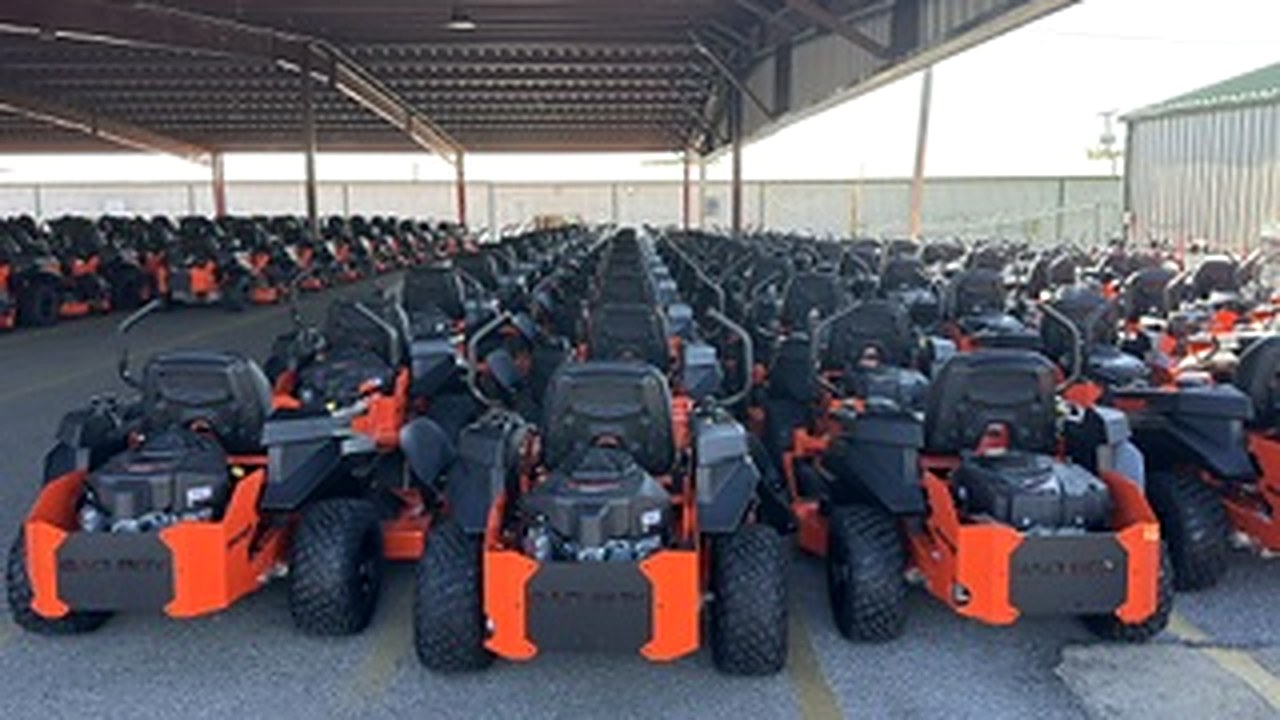
Mowers, tractors and battery tools landed ahead of spring, with engine origin documented at the PO.
 Industry
Vacuums, small appliances and housewares across long SKU lists, on time for every retail launch.
 Industry
Heads, shafts, grips and bags consolidated at origin and timed to land together for launch day.
 Industry
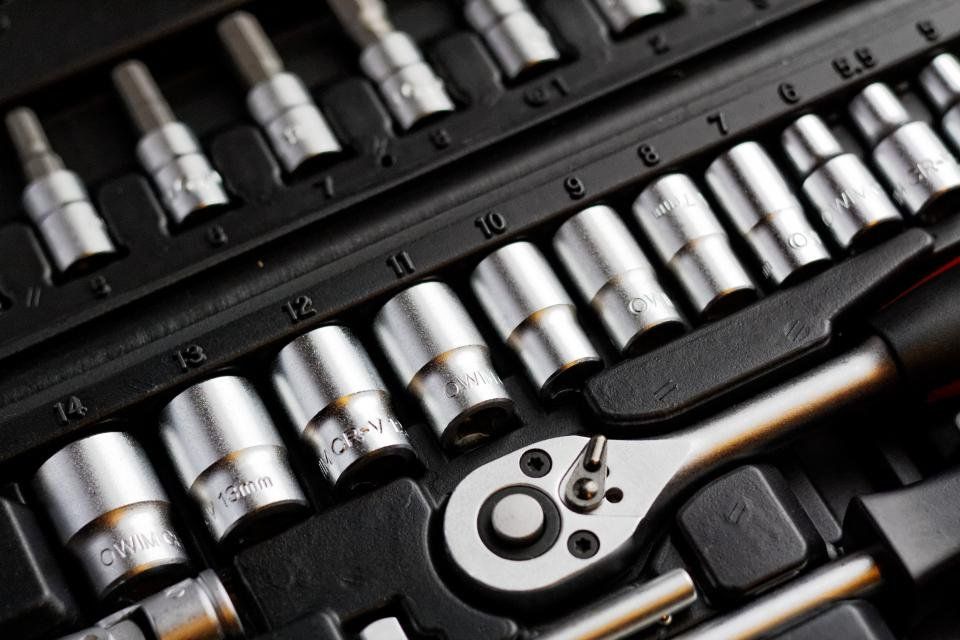
Dense, heavy freight and cordless platforms, moved on a predictable cost base with the paperwork in order.
 Industry
Gloves, disposables and packaging consolidated at origin, with foil and factory origin documented.
 Industry
Many factories, many SKUs and fixed drop dates, with traceability paperwork organized at the source.
 Industry
Components and finished goods on schedules that can’t slip, with every PO and part number in view.

OWL Vision
Every PO, product and SKU on one live picture, from PO issuance to final delivery. So you know what’s arriving, and when, before your customers ask.
We detected a Global Privacy Control signal from your browser and have opted you out of the sale or sharing of your personal information.