

 Origin
Shipping from China
Nine offices across every major port and manufacturing cluster, from Tianjin to Shenzhen.
Industries / Lawn & Garden / Outdoor Power Equipment
Outdoor power equipment logistics: heavy units, sharp seasons and engine paperwork, planned months ahead.
Lawn & Garden / Outdoor Power Equipment
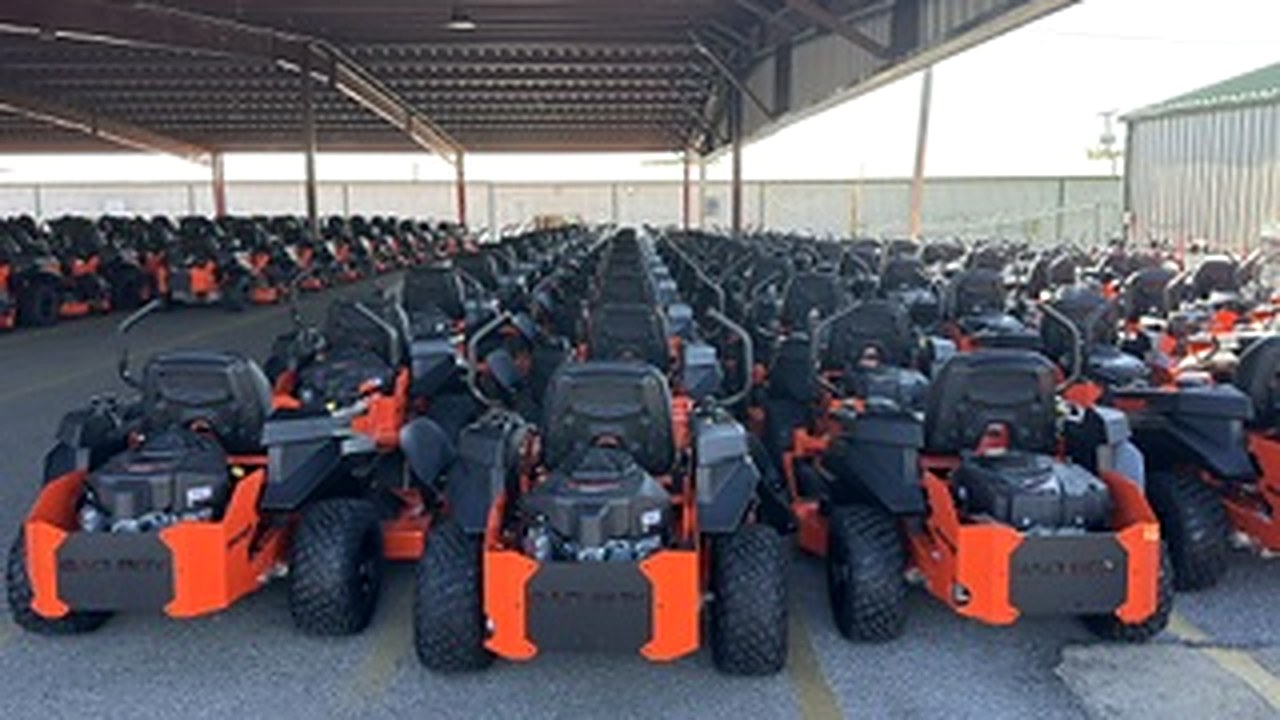
Riding mowers, lawn tractors and zero-turns ship as big crates with few units per container, while walk-behinds fill a box by volume long before weight. A late vessel means a missed floor set at big-box retail, and there’s no second spring.
Engines bring their own questions: EPA certification, California’s zero-emission rules and duty orders on small engines that follow them onto equipment assembled outside China. We capture where each engine was made at the PO stage, alongside the freight plan.
Why it’s hard
Tractors and zero-turns ship as large crates with low unit counts per container, so every load plan counts.
Most sell-through happens in a few spring weeks. Miss the retailer’s floor-set date and the sale goes to someone else.
Duty orders on small vertical shaft engines from China reach engines mounted on mowers and pressure washers assembled in a third country. Engine origin has to be documented.
Battery equipment is the growth segment, and lithium-ion packs ship as dangerous goods. New 2026 state-of-charge rules tightly restrict them by air.
The year at a glance
Most sell-through lands between March and June, so origin shipments cluster on either side of Lunar New Year. Snow throwers run the opposite way.
At the border
Engines and batteries drive most of the rules for outdoor power at the US border. Confirm your obligations with your customs broker or counsel; we collect the documents from suppliers before cargo sails.
Small gas engines and the equipment they power need an EPA certificate of conformity and label, and the importer files EPA Form 3520-21 at entry. Without it, CBP can detain the goods.
Under CARB’s small off-road engine rule, most new mowers, blowers and trimmers produced for sale in California from model year 2024 must be zero-emission.
Walk-behind power mowers must meet the CPSC mower safety standard, with a General Certificate of Conformity filed electronically in ACE since July 8, 2026.
Orders on small vertical shaft engines from China were continued in October 2026 and cover engines mounted on equipment. Separate orders on walk-behind mowers from China and Vietnam were revoked for entries from July 13, 2026.
Many steel products fall under Section 232 derivative duties, assessed on full value since April 2026. Check classification and metal content before you price a range.
Battery packs shipped in or with equipment move as UN 3481, with UN 38.3 test summaries from the supplier.
How OWL helps
Fixed annual rates, capped peak surcharges and early allocation mean your fall and winter bookings aren’t hostage to the spot market.
See ocean freightLoad plans for crated tractors and boxed walk-behinds are set at origin, and consolidation keeps units, attachments and accessories moving together.
See origin managementEPA declarations, CPSC certificate data and supplier evidence of where each engine was made are collected before cargo sails, ready for customs clearance.
See destination servicesOWL Vision tracks every PO from issuance at container, PO and SKU level, with alerts if a vessel slips against a retailer’s floor-set date.
See OWL VisionDestination deconsolidation and distribution keep blades, line and service parts flowing all season, with final-mile delivery on demand.
ExploreOrigins
Our own teams across Asia, close to the factories. What we move from each origin depends on the category, so talk to us about what you buy and where, and we’ll show you how we’d ship it.
OriginNine offices across every major port and manufacturing cluster, from Tianjin to Shenzhen.
 Origin
Our own teams in Ho Chi Minh City and Hanoi, for the fastest-growing origin for US importers.
 Origin
Laem Chabang, Bangkok and the manufacturing corridor of the Eastern Seaboard.
 Origin
Apparel, footwear and travel goods, shipped through Sihanoukville and Phnom Penh.
 Origin
Landlocked, not locked out: rail, road and river routes to the sea from Vientiane.
 Origin
Apparel, rubber and tea, with Colombo as one of South Asia’s great transshipment hubs.
The engines must be covered by an EPA certificate of conformity and labeled, and the importer files EPA Form 3520-21 at entry. Walk-behind mowers must also meet the CPSC mower safety standard, with a General Certificate of Conformity that has been filed electronically in ACE since July 2026.
Spring selling runs roughly March to June, and retail floor sets happen in late winter. Most importers book in the fall and ship from about November through February, so plan around Lunar New Year closures in the middle of that window.
They can. The orders on small vertical shaft engines from China were continued in October 2026 and cover those engines when mounted on equipment, including equipment assembled in a third country. Only the engine is subject, so supplier records on where each engine was made matter.
It’s tightly restricted. Lithium-ion packs are dangerous goods, and from January 1, 2026, batteries packed with equipment must fly at a reduced state of charge. Most battery equipment moves by ocean as UN 3481, with UN 38.3 test summaries from the supplier.
Existing gas stock can still be sold, but under CARB’s small off-road engine rule most new mowers, blowers and trimmers produced for sale in California from model year 2024 must be zero-emission. Check each product family against the current CARB rule before you plan a California range.
More industries
 Industry
Crated units and a long tail of parts, with EPA and CPSC paperwork ready before the vessel sails.
 Industry
Vacuums, small appliances and housewares across long SKU lists, on time for every retail launch.
 Industry
Heads, shafts, grips and bags consolidated at origin and timed to land together for launch day.
 Industry
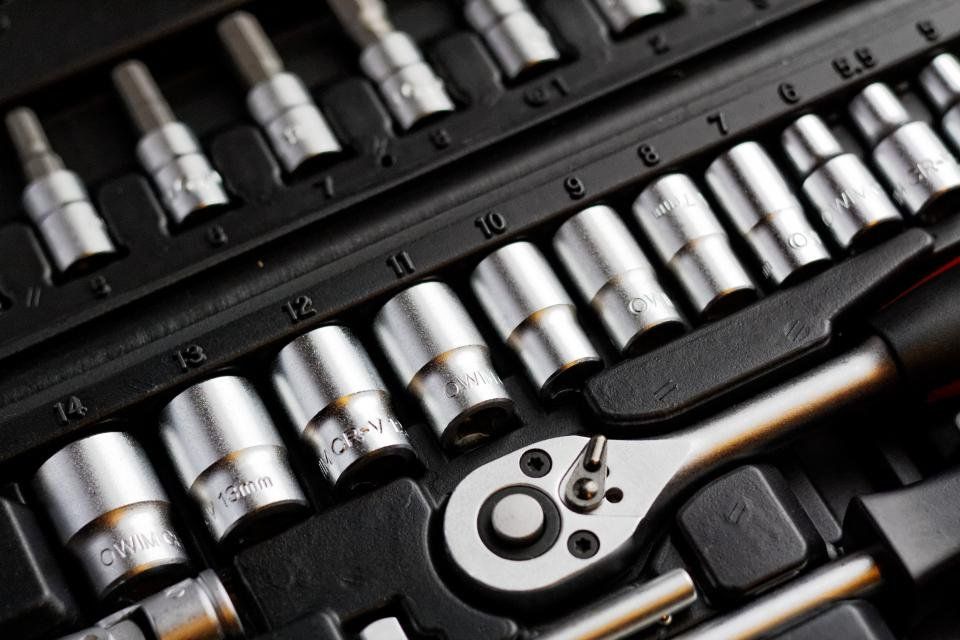
Dense, heavy freight and cordless platforms, moved on a predictable cost base with the paperwork in order.
 Industry
Gloves, disposables and devices kept in stock, with FDA data checked against every PO before it ships.
 Industry
Gloves, disposables and packaging consolidated at origin, with foil and factory origin documented.
 Industry
Many factories, many SKUs and fixed drop dates, with traceability paperwork organized at the source.
 Industry
Components and finished goods on schedules that can’t slip, with every PO and part number in view.

OWL Vision
Every PO, product and SKU on one live picture, from PO issuance to final delivery. So you know what’s arriving, and when, before your customers ask.
We detected a Global Privacy Control signal from your browser and have opted you out of the sale or sharing of your personal information.