

 Origin
Shipping from China
Nine offices across every major port and manufacturing cluster, from Tianjin to Shenzhen.
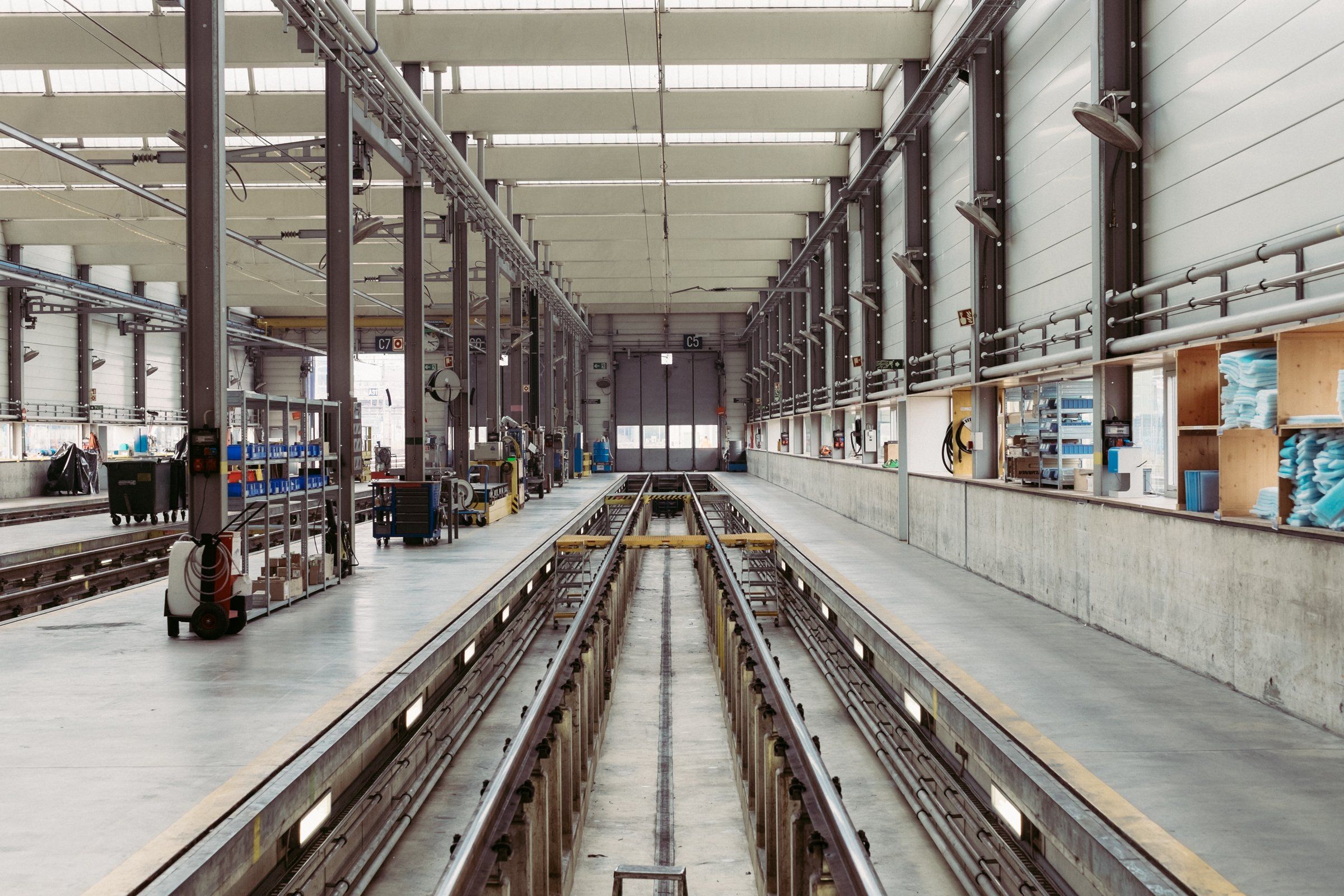
Industries / Manufacturing
Manufacturing logistics with inbound supply planned around your production schedule.
Manufacturing
Manufacturing supply runs on hundreds of part numbers across tiers of suppliers, with split shipments, backorders and PO amendments. Dense castings meet weight limits, fragile electronics need care and some inputs travel as dangerous goods.
Classification and origin are just as complex. Components can fall under Section 232 derivative duties, AD/CVD orders and Section 301 lists, and moving final assembly to a new country doesn’t automatically change origin. We collect the supplier records at the PO stage.
Why it’s hard
Schedules run on MRP and just-in-time logic, so ETA reliability and early warnings matter more than the headline rate.
Hundreds of part numbers across tiers, with partial shipments, backorders and amendments to keep straight.
Where substantial transformation happens decides origin, and CBP actively enforces against transshipment and evasion.
Steel, aluminum, copper and lithium are now forced-labor high-priority sectors, so industrial supply chains need records too.
The year at a glance
Manufacturing runs on annual volume commitments and weekly or monthly releases, not consumer seasons. A few moments each year still tighten supply and space.
At the border
For components, landed cost depends on classification and origin as much as on freight. Confirm your obligations with your customs broker or counsel; we capture the supplier evidence at the PO stage, and check the current status of every measure before you source.
Many steel and aluminum parts are Section 232 derivatives. Since April 6, 2026, the duty applies to full value, while low-metal goods are generally out of scope.
Section 232 actions also reach copper products and automobile parts. Check each part number’s current status before you place the PO.
Orders are product- and country-specific and can reach goods finished in a third country. Scope analysis belongs before the PO, not after the entry.
Section 301 lists and exclusions apply by tariff code to Chinese-origin goods, and they change. Check the current list before sourcing.
Steel, aluminum, copper, lithium, PVC and polysilicon supply chains can draw forced-labor detentions. Keep material traceability records ready.
Origin follows substantial transformation, and simple assembly of Chinese components elsewhere may still count as Chinese origin.
How OWL helps
Supplier, PO and booking management across tiers and countries, run by our local offices and control towers at the source.
See origin managementOWL Vision tracks every order from PO issuance to the part-number level, with alerts on late supplier readiness, rolled bookings or customs holds.
See OWL VisionWhen an alert comes early enough, critical parts can switch to air freight or Sea-Air before production feels it.
See air freightParts from multiple suppliers are consolidated into scheduled containers, with 1M+ sq ft of origin space to buffer and sequence inbound components.
ExploreFixed annual rates, capped peak surcharges, Gain Share and index-linked contracts on the NYSHEX Freight Index for budget-driven programs.
See ocean freightOrigins
Our own teams across Asia, close to the factories. What we move from each origin depends on the category, so talk to us about what you buy and where, and we’ll show you how we’d ship it.
OriginNine offices across every major port and manufacturing cluster, from Tianjin to Shenzhen.
 Origin
Our own teams in Ho Chi Minh City and Hanoi, for the fastest-growing origin for US importers.
 Origin
Laem Chabang, Bangkok and the manufacturing corridor of the Eastern Seaboard.
 Origin
Apparel, footwear and travel goods, shipped through Sihanoukville and Phnom Penh.
 Origin
Landlocked, not locked out: rail, road and river routes to the sea from Vientiane.
 Origin
Apparel, rubber and tea, with Colombo as one of South Asia’s great transshipment hubs.
Track every PO from the moment it’s issued, not just from vessel departure, so supplier delays show up weeks earlier. Combine that with consolidation at origin, safety stock around Lunar New Year and Golden Week, and air freight as a backup for critical parts.
Not automatically. Origin follows where a product is substantially transformed, and CBP can treat simple assembly or finishing of Chinese components as Chinese origin. Antidumping circumvention rulings can also reach goods finished in third countries, so get a ruling or expert review before restructuring.
Many steel and aluminum parts are listed as Section 232 derivatives. Since April 6, 2026, those duties apply to the full value of the good rather than only its metal content, while goods with low steel or aluminum content by weight are generally excluded. Accurate classification and metal-content records are essential.
Yes. The 2025 UFLPA strategy update added steel, copper and lithium to the high-priority sectors alongside aluminum, PVC and polysilicon. CBP detained more shipments in the first half of 2025 than in all of 2024, so importers of metal and battery-containing components should keep material traceability records.
A forwarder moves booked cargo. A control tower manages the flow from purchase order onwards: supplier readiness, booking, consolidation, exceptions and arrival, against your production plan. The value is in catching problems before the cargo moves.
More industries
 Industry
Crated units and a long tail of parts, with EPA and CPSC paperwork ready before the vessel sails.
 Industry
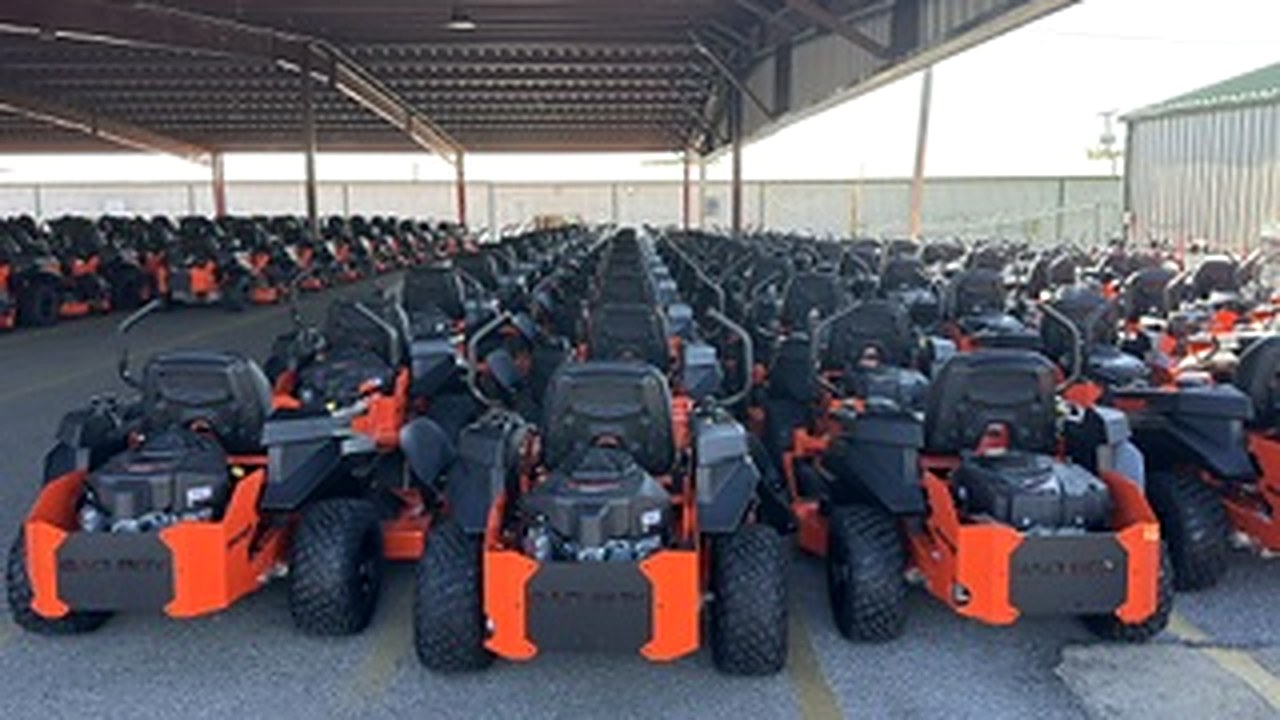
Mowers, tractors and battery tools landed ahead of spring, with engine origin documented at the PO.
 Industry
Vacuums, small appliances and housewares across long SKU lists, on time for every retail launch.
 Industry
Heads, shafts, grips and bags consolidated at origin and timed to land together for launch day.
 Industry
Dense, heavy freight and cordless platforms, moved on a predictable cost base with the paperwork in order.
 Industry
Gloves, disposables and devices kept in stock, with FDA data checked against every PO before it ships.
 Industry
Gloves, disposables and packaging consolidated at origin, with foil and factory origin documented.
 Industry
Many factories, many SKUs and fixed drop dates, with traceability paperwork organized at the source.

OWL Vision
Every PO, product and SKU on one live picture, from PO issuance to final delivery. So you know what’s arriving, and when, before your customers ask.
We detected a Global Privacy Control signal from your browser and have opted you out of the sale or sharing of your personal information.