

 Origin
Shipping from China
Nine offices across every major port and manufacturing cluster, from Tianjin to Shenzhen.

Industries / Golf & Sporting Goods
Golf equipment logistics for launch windows that don’t move, so the freight has to.
Golf & Sporting Goods
Clubs carry high value per carton and a huge SKU matrix of lofts, flexes, hands and lengths. Balls are dense and uniform, while bags and carts are light and bulky. We consolidate them at origin and time each flow to your assembly or launch date.
Wider sporting goods bring their own rules. Bicycles, helmets and junior equipment are CPSC-regulated, rangefinders and launch monitors need FCC authorization, and electric trolleys carry lithium batteries. We gather the documents with the PO, not at the port.
Why it’s hard
Components come from different suppliers and are often assembled or custom-fit close to market. Miss the window and you lose the season’s halo.
Every loft, flex, hand and length is its own SKU, and the freight mixes dense balls with bulky, light bags and carts.
Electric trolleys, rangefinders, launch monitors and GPS units bring FCC authorization and lithium-battery dangerous goods rules.
Adult clubs are lightly regulated, but junior sets, bikes, helmets, wooden goods and apparel each bring separate requirements.
The year at a glance
New club lines launch early in the year, and spring through Father’s Day is the main retail window. That puts the origin push right into the pre-Lunar New Year rush.
At the border
Adult golf clubs, balls and bags carry few product rules at the US border, but much of the wider category does. Confirm your obligations with your customs broker or counsel; we collect the documents at the PO stage.
Junior golf sets and other sporting goods for children 12 and under need third-party testing, tracking labels and a Children’s Product Certificate, filed in ACE since July 2026.
Bicycles and bike helmets are covered by mandatory CPSC safety standards, so they need a certificate filed electronically at entry.
Rangefinders, launch monitors, GPS units and Bluetooth devices need FCC equipment authorization before import.
Electric trolleys and devices ship their batteries as dangerous goods. By air, batteries packed with equipment must fly at a reduced state of charge since January 2026.
Antidumping and countervailing duty orders cover golf carts, personal transportation vehicles and low-speed vehicles from China. Check scope and origin before ordering.
Wooden sporting goods need a Lacey Act declaration, and golf apparel and bags with textile parts need FTC fiber, origin and care labels.
How OWL helps
Heads, shafts, grips, bags and accessories from multiple suppliers are consolidated at origin and timed to your assembly or launch date, so the line arrives together.
See origin managementOWL Vision tracks every PO from issuance at container, PO and SKU level, and flags a late component before it holds up a launch.
See OWL VisionFixed annual rates and capped peak surcharges cover the pre-launch, pre-Lunar New Year push, with Gain Share when rates fall.
See ocean freightAir freight backs up ocean for launch-critical SKUs, with battery state-of-charge rules handled for electronic devices.
See air freightDestination deconsolidation and distribution to DCs, green-grass and off-course retail and fitting centers, with final-mile delivery on demand.
See destination services
Origins
Our own teams across Asia, close to the factories. What we move from each origin depends on the category, so talk to us about what you buy and where, and we’ll show you how we’d ship it.
OriginNine offices across every major port and manufacturing cluster, from Tianjin to Shenzhen.
 Origin
Our own teams in Ho Chi Minh City and Hanoi, for the fastest-growing origin for US importers.
 Origin
Laem Chabang, Bangkok and the manufacturing corridor of the Eastern Seaboard.
 Origin
Apparel, footwear and travel goods, shipped through Sihanoukville and Phnom Penh.
 Origin
Landlocked, not locked out: rail, road and river routes to the sea from Vientiane.
 Origin
Apparel, rubber and tea, with Colombo as one of South Asia’s great transshipment hubs.
Adult golf clubs, balls and bags aren’t covered by a specific CPSC safety standard, so they generally don’t need a certificate of conformity. They still need correct classification and country-of-origin marking. Junior sets for children 12 and under are children’s products and need third-party testing and a Children’s Product Certificate.
New club lines usually launch early in the year, so components and finished goods typically move from origin in the fourth quarter and very early in the new year. That overlaps with the pre-Lunar New Year rush, so space should be secured well ahead.
Yes, but their lithium batteries are dangerous goods. Since January 1, 2026, lithium-ion batteries packed with equipment must fly at a reduced state of charge, and the devices also need FCC authorization before they are imported.
Yes. Antidumping and countervailing duty orders apply to golf carts, personal transportation vehicles and low-speed vehicles from China, following a final ITC determination in July 2025. Check scope and origin carefully before placing orders.
Yes. Bicycles and bike helmets are covered by mandatory CPSC safety standards, so they need a General Certificate of Conformity, or a Children’s Product Certificate for children’s models. Since July 2026 that data is filed electronically in ACE at entry.
More industries
 Industry
Crated units and a long tail of parts, with EPA and CPSC paperwork ready before the vessel sails.
 Industry
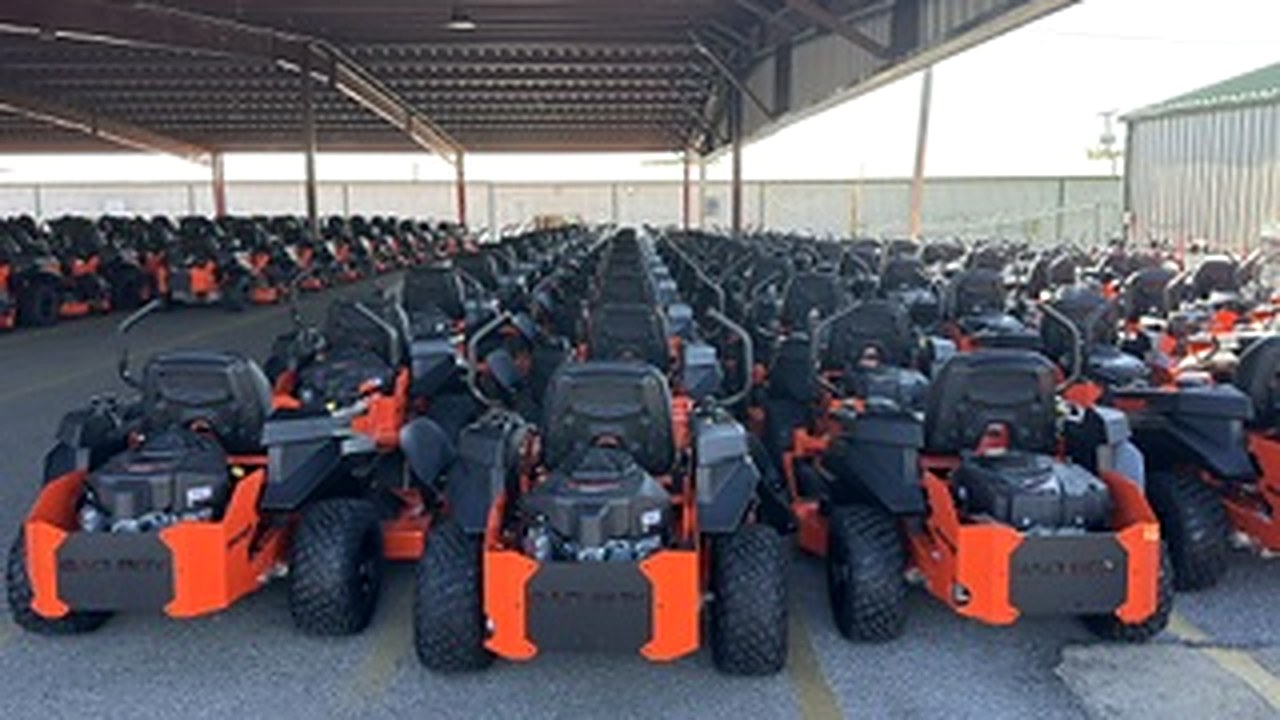
Mowers, tractors and battery tools landed ahead of spring, with engine origin documented at the PO.
 Industry
Vacuums, small appliances and housewares across long SKU lists, on time for every retail launch.
 Industry
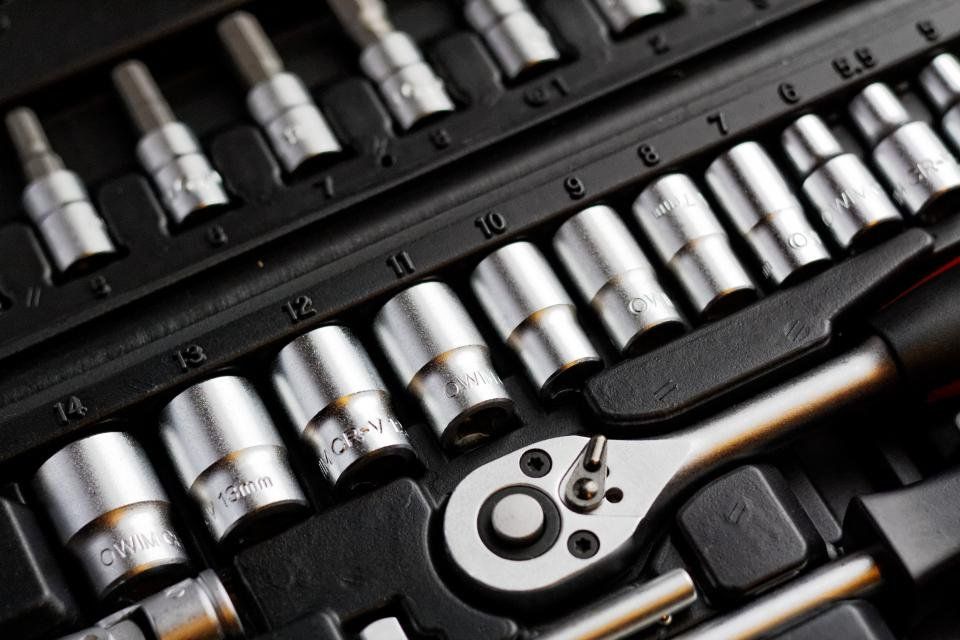
Dense, heavy freight and cordless platforms, moved on a predictable cost base with the paperwork in order.
 Industry
Gloves, disposables and devices kept in stock, with FDA data checked against every PO before it ships.
 Industry
Gloves, disposables and packaging consolidated at origin, with foil and factory origin documented.
 Industry
Many factories, many SKUs and fixed drop dates, with traceability paperwork organized at the source.
 Industry
Components and finished goods on schedules that can’t slip, with every PO and part number in view.

OWL Vision
Every PO, product and SKU on one live picture, from PO issuance to final delivery. So you know what’s arriving, and when, before your customers ask.
We detected a Global Privacy Control signal from your browser and have opted you out of the sale or sharing of your personal information.