

 Origin
Shipping from China
Nine offices across every major port and manufacturing cluster, from Tianjin to Shenzhen.

Industries / Powersports
A powersports freight forwarder for crated units, a long tail of parts and the paperwork that goes with both.
Powersports
ATVs, UTVs and dirt bikes ship crated and part-assembled, and they fill a container by volume long before they hit its weight limit. Crate design and load plans decide how many units fit in a box, so they decide your landed cost per unit. We agree them with your suppliers at origin.
Behind the units comes the long tail: parts, accessories and riding gear in small cartons and high SKU counts. A dealer notices a missing brake lever as fast as a missing bike, so we track both flows to the SKU in OWL Vision.
Why it’s hard
Crated units run out of space before they run out of weight, and high unit values make damage and theft expensive.
Gas units can count as dangerous goods unless tanks are drained and batteries disconnected. Electric models fall under lithium-battery vehicle rules that tightened in 2026.
EPA, CARB, NHTSA and CPSC requirements attach to engine families and VINs. A missing EPA declaration can leave a container sitting at the port.
Units arrive by the container while parts need constant replenishment. With floorplan finance, early costs money and late loses sales.
The year at a glance
Spring and summer riding season sets the pace, and model-year changeovers add a second rhythm. Snow products run the other way.
At the border
Most powersports holds at the US border come down to missing documents, not damaged crates. Confirm your obligations with your customs broker or counsel; we make sure the paperwork is collected before the vessel sails.
Off-road ATVs, UTVs and dirt bikes need an EPA certificate of conformity and emissions label, and the importer files EPA Form 3520-21 at entry. Without it, CBP can detain the goods.
Units sold in California also need a CARB Executive Order covering the engine or vehicle family.
Street-legal motorcycles and scooters must meet federal motor vehicle safety standards, carry a certification label and compliant VIN, and be declared to NHTSA at entry.
Four-wheel ATVs must meet the CPSC ATV standard under an approved action plan, with a youth certificate for youth models. Since July 8, 2026, that certificate data is filed electronically in ACE.
Carriers want a dangerous goods declaration, or confirmation that fuel is drained and batteries disconnected. E-motos and electric youth models follow lithium-battery vehicle rules.
Antidumping and countervailing duty orders cover golf carts, personal transportation vehicles and low-speed vehicles from China. Check scope before you place the PO.
How OWL helps
Fixed annual rates and capped peak surcharges move spring and new-model stock on a known budget, with Gain Share and index-linked options when the market softens.
See ocean freightOur local offices agree crate and load plans with your suppliers to fit more units per container, then consolidate units, parts and accessories into one flow.
See origin managementEPA declarations, CPSC certificate data and dangerous goods documents are collected at the PO stage, so customs clearance isn’t waiting on a supplier email.
See destination servicesOWL Vision tracks each PO from issuance at container, PO and SKU level, with alerts when a unit or critical part slips. Dealers and planners know what’s arriving, and when.
See OWL VisionDestination deconsolidation and distribution keep the parts and accessories tail on its own replenishment rhythm, with final-mile delivery on demand.
Explore
Origins
Our own teams across Asia, close to the factories. What we move from each origin depends on the category, so talk to us about what you buy and where, and we’ll show you how we’d ship it.
OriginNine offices across every major port and manufacturing cluster, from Tianjin to Shenzhen.
 Origin
Our own teams in Ho Chi Minh City and Hanoi, for the fastest-growing origin for US importers.
 Origin
Laem Chabang, Bangkok and the manufacturing corridor of the Eastern Seaboard.
 Origin
Apparel, footwear and travel goods, shipped through Sihanoukville and Phnom Penh.
 Origin
Landlocked, not locked out: rail, road and river routes to the sea from Vientiane.
 Origin
Apparel, rubber and tea, with Colombo as one of South Asia’s great transshipment hubs.
Yes. Off-road recreational vehicles fall under EPA’s nonroad rules, so the importer files EPA Form 3520-21 at entry, electronically in ACE or on paper. The engines must also be covered by an EPA certificate of conformity and carry the emissions label, or CBP can hold the shipment.
On-road motorcycles are motor vehicles: they must meet NHTSA safety standards, carry a VIN and certification label, and meet EPA on-road emissions rules. Off-road-only bikes are declared as not intended for road use and fall under EPA’s nonroad rules instead.
Yes. Four-wheel ATVs must meet the CPSC ATV standard, be covered by an approved action plan and come with a General Certificate of Conformity, or a Children’s Product Certificate for youth models. Since July 8, 2026, that certificate data must be filed electronically in ACE at entry.
Usually, but fuel and batteries can make them dangerous goods. Carriers normally ask for a dangerous goods declaration or confirmation that tanks are drained and batteries disconnected, so confirm with the carrier on each booking. Electric models fall under lithium-battery vehicle rules that tightened in 2026.
Most importers book spring floor stock in the fourth quarter and early in the new year, ahead of the Lunar New Year factory shutdown and the spring rush. Locking an annual contract rate in the spring contract season also protects the budget for model-year launches later in the year.
More industries
 Industry
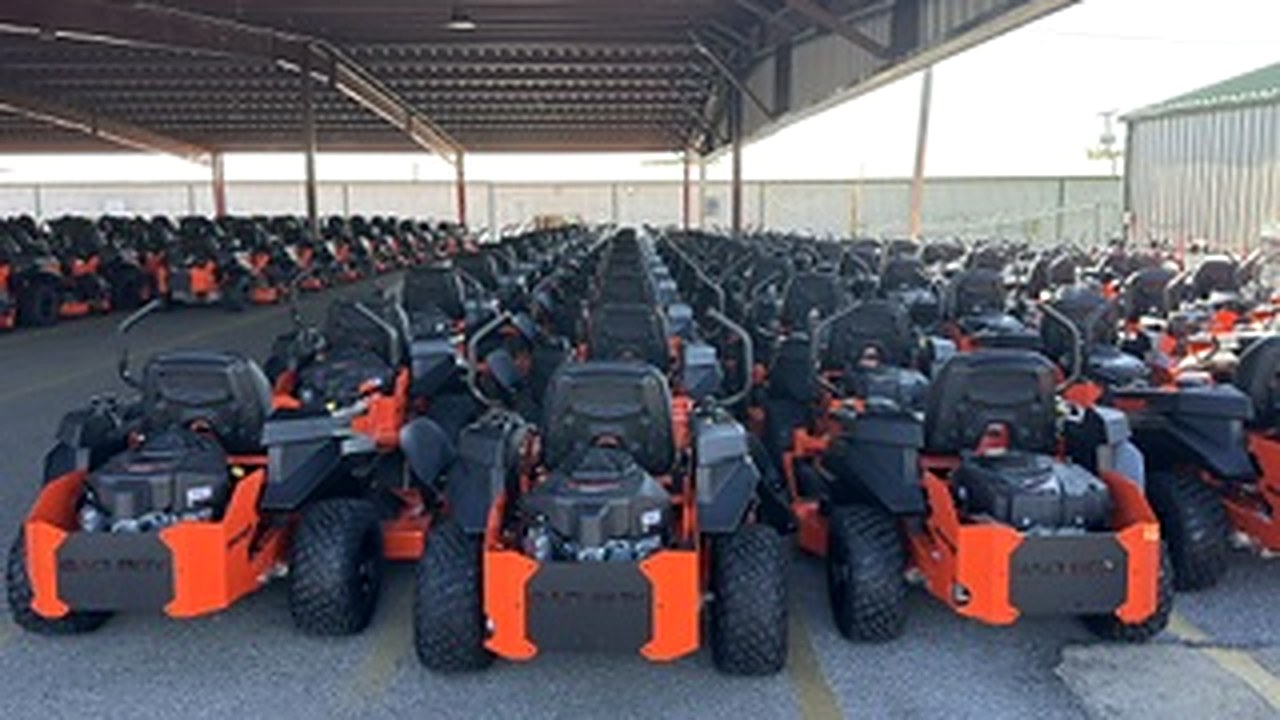
Mowers, tractors and battery tools landed ahead of spring, with engine origin documented at the PO.
 Industry
Vacuums, small appliances and housewares across long SKU lists, on time for every retail launch.
 Industry
Heads, shafts, grips and bags consolidated at origin and timed to land together for launch day.
 Industry
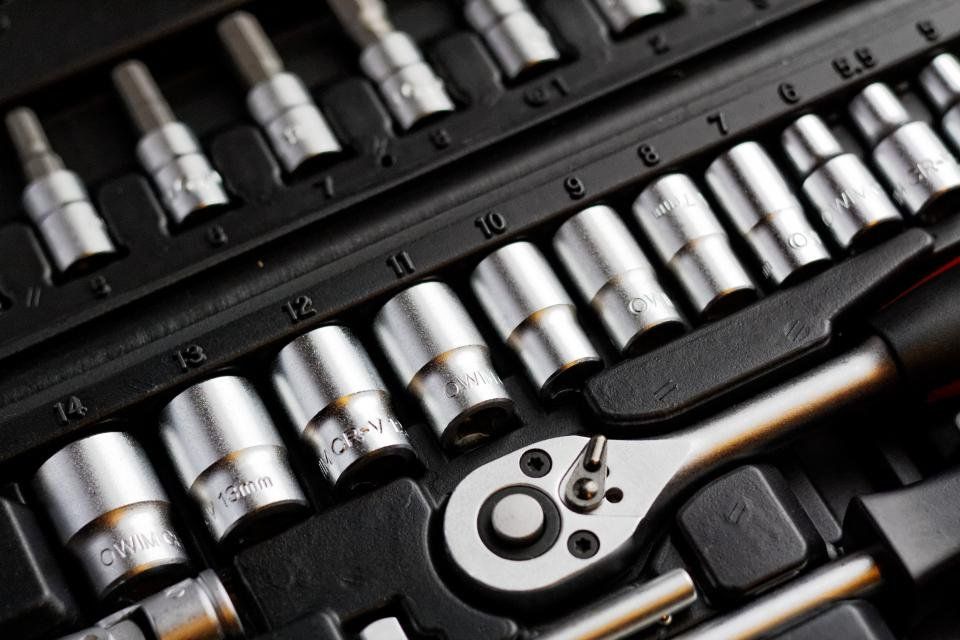
Dense, heavy freight and cordless platforms, moved on a predictable cost base with the paperwork in order.
 Industry
Gloves, disposables and devices kept in stock, with FDA data checked against every PO before it ships.
 Industry
Gloves, disposables and packaging consolidated at origin, with foil and factory origin documented.
 Industry
Many factories, many SKUs and fixed drop dates, with traceability paperwork organized at the source.
 Industry
Components and finished goods on schedules that can’t slip, with every PO and part number in view.

OWL Vision
Every PO, product and SKU on one live picture, from PO issuance to final delivery. So you know what’s arriving, and when, before your customers ask.
We detected a Global Privacy Control signal from your browser and have opted you out of the sale or sharing of your personal information.